
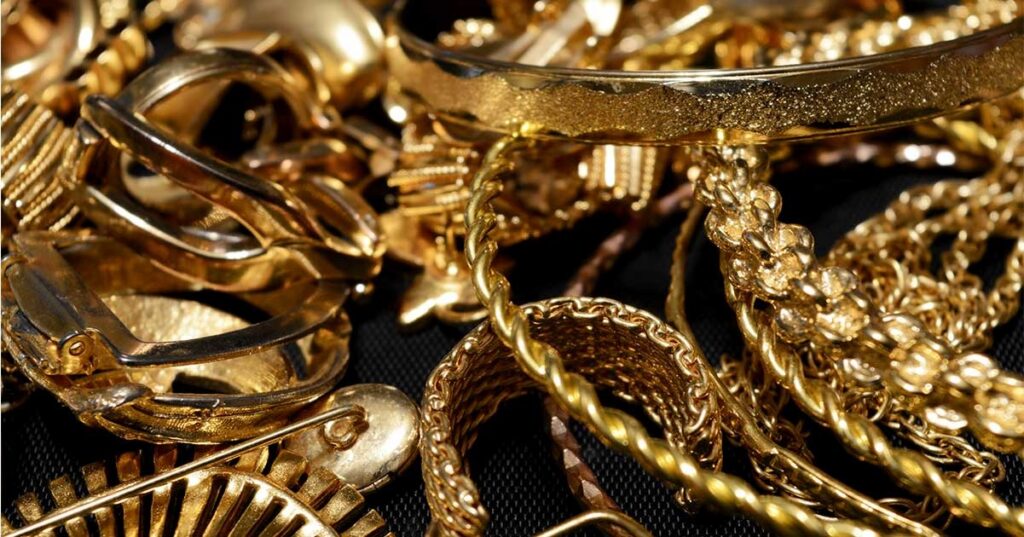
Old gold often means broken chains, out-of-style pendants, rings that no longer fit, and heirlooms you no longer wear. When you decide to sell old gold, buyers are not paying for memories or the original retail price. They are focused on how much recoverable gold your pieces contain and what that metal is worth at today’s market price. Viewing your items the way buyers do helps you capture fair value.
What Counts as Old Gold?
Old gold can include worn or damaged jewelry, single earrings, outdated styles, or small pieces stored for years. Major precious-metal dealers and refiners group all of these items under “scrap gold” or “old gold.”
From a buyer’s standpoint, they do not care whether your ring was once an anniversary gift or whether a bracelet came from a favorite trip. They focus on metal content, ease of testing, and how quickly the item can be converted into bullion or other products.
How Buyers Value Old Gold
Whether you walk into a jewelry store or work with online gold buyers, the math behind an offer is largely the same. Three factors drive the price:
- Purity: Jewelry is usually stamped 10k, 14k, 18k, or with fineness marks such as 417, 585, 750.
- Weight: Items are weighed on a scale in grams or pennyweight once stones and obvious non-gold components are set aside.
- Market price: Buyers look at the live gold price per troy ounce, translate that into a per-gram value, and apply it to the pure-gold weight.
Scrap-pricing tables and refining guides all work from this same structure: the higher the purity and the heavier the piece, the more gold is present and the more it is worth at current market levels. Serious buyers base payout levels on the spot market.
Why Local Buyers and Pawn Shops Often Pay Less
Local gold buyers and pawn shops offer speed and convenience but pay less. You can walk in with a handful of old rings and chains and walk out with cash in minutes. That immediacy comes at a cost. Independent jewelers consistently note that pawn shops tend to pay at the low end of the spectrum, sometimes only a fraction of melt value, because they cover resale, storage, and loan-default risk.
Dedicated local buyers and jewelry stores often pay more than pawn shops, but they still have overhead and inventory risk. Some will quote a single lump-sum figure without clearly explaining how they arrived at it. If you have not taken the time to understand your gold’s approximate melt value, it can be difficult to know whether a quick offer is reasonable.
Online Gold Buyers and Mail-In Programs
Online buyers use insured shipping kits: you request a kit, send items, and receive an offer after testing and weighing. You’re paid when you accept the quote.
Because these programs are focused on buying gold and silver rather than making short-term loans, they typically tie offers explicitly to current market rates and publish the percentage of melt value they aim to pay. Sellers cannot walk out with cash the same day, but they can compare offers calmly and avoid the pressure of an across-the-counter negotiation.
Preparing Old Gold Before You Sell
Whatever route you choose, taking a few simple steps before selling your gold can make a noticeable difference:
- Sort by metal: Separate gold from costume pieces and from other metals like silver or platinum.
- Check stamps: Group pieces by karat where you can find marks; keep unmarked items together for testing.
- Remove obvious non-gold components: Large watch movements, base-metal chains, or other bulky parts can distort the weight if they are left in.
- Weigh your items: Even a basic gram scale can give you a useful reference when comparing offers.
Refiners and mail-in buyers frequently encourage customers to do this kind of basic sorting and weighing because it leads to smoother transactions and fewer surprises once offers are calculated.
Choosing Between Melt Value and Resale Value
Not all old gold should automatically be sold for scrap. Some items may have resale value beyond their metal content – for example, signed designer pieces, vintage items in excellent condition, or jewelry set with desirable gemstones. Guides for selling gold jewelry routinely recommend asking whether an item could be resold as jewelry before agreeing to melt-based pricing.
For most plain, worn, or broken items, however, melt value will dominate. In those cases, your goal is to find the buyer who offers the highest, most transparent percentage of that underlying value, not to chase collectible premiums that may not exist for your specific pieces.
Does APMEX Buy Your Old Gold?
APMEX is widely known for dealing in bullion and other precious metals, but we also operate an Old Gold & Silver Program for people looking to sell old gold and other scrap or junk gold items. Customers start online or on the app, request an appraisal kit that includes a prepaid, insured shipping label, pack and ship their items, and then receive an appraisal and offer once the shipment is processed.
Submitted items are evaluated for authenticity, purity, and weight and then priced using real-time market rates rather than fixed tables. If a customer declines the offer, the items are returned. In practice, this means old jewelry and other gold items that qualify under the program are treated like other forms of scrap or junk gold: valued for their metal content and linked directly to current market conditions.
Negotiating and Comparing Offers
Once you start receiving numbers from different buyers, your task is to compare them. Check the live gold price first; it gives a baseline for your metal’s value. If you know, even approximately, how much pure gold you have by weight, you can translate each offer into a percentage of melt value.
You may wish to collect at least two or three offers for larger lots of old gold. It is also worth paying attention to how clearly each buyer explains their pricing. A written or itemized breakdown is usually a sign of a more transparent process.
Putting It All Together
Selling old gold is about understanding that buyers see pieces as precious metal, not sentiment. Identify karat and weight, calculate melt value, and choose the most transparent buyer.
Whether you opt for a neighborhood jewelry store, a specialized gold buyer, a mail-in program, or a large precious-metals firm that also purchases old gold, the goal is the same: converting unused items into fair value with clear, pressure-free information about how that value was determined.