
In the early decades of the United States, everyday money was not exclusively American. The Coinage Act of 1792 established federal coinage and a national mint, but mint output could not always meet demand. In addition, trade kept foreign currency flowing through the economy. As a result, many kinds of circulating coins appeared in ordinary transactions, especially foreign silver pieces familiar to merchants and consumers. By the 1850s, this mixed system encouraged local pricing customs, made valuation uncertain for ordinary buyers and sellers, and complicated efforts to build a consistent national monetary framework.
The Effect of the Coinage Act of 1857
The Coinage Act of 1857 ended the legal tender status of most foreign coins in the United States. Earlier policy had treated certain foreign coins as legal tender at specified valuations, a pragmatic choice when the young republic lacked enough domestically minted coin to support commerce. By the mid-19th century, lawmakers viewed that compromise as increasingly counterproductive. Foreign coins differed in weight and fineness, and many were worn from decades of use. Even when official rates existed, real acceptance varied. Ending foreign coins as legal tender reduced the gap between what the law said a coin was worth and what the marketplace would accept.
Foreign coins did not vanish overnight once the legal requirement ended. People still held them, and some continued to pass in trade for a time. The key change was legal and institutional: banks, merchants, and public offices were no longer compelled to accept foreign coinage. This change cut down payment disputes and pushed banks and merchants to rely on U.S.-minted coins.
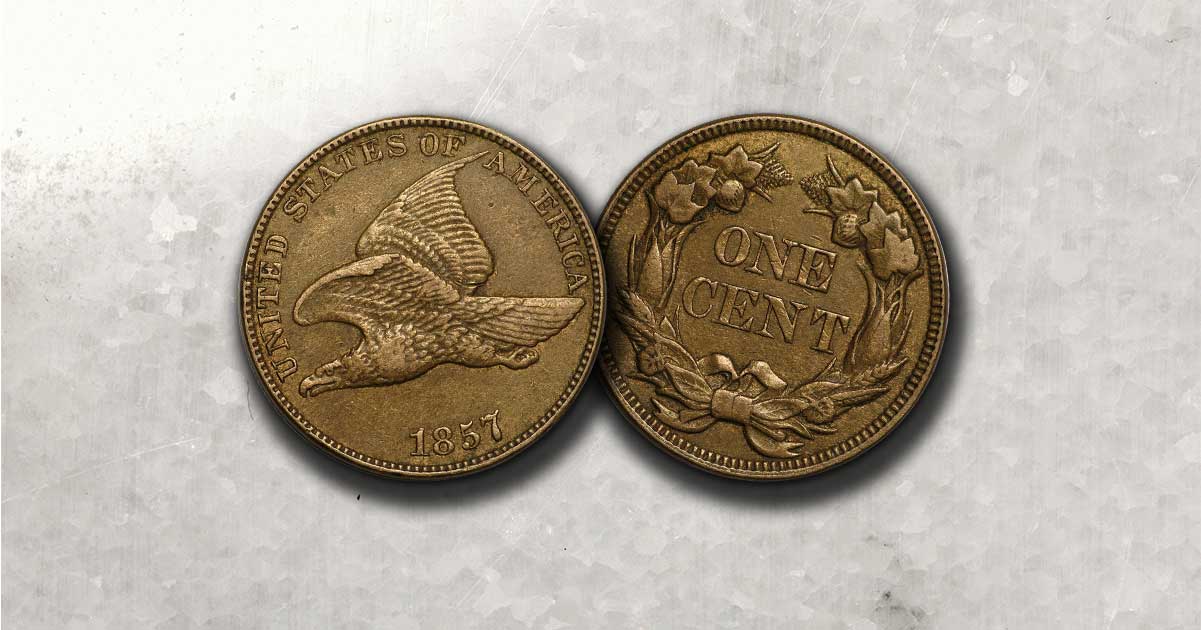
The law is also linked to improvements in minor coinage. In the same period, the United States moved away from the bulky large copper cent toward smaller cent coins, including the Flying Eagle cent. Smaller cents were easier to carry and more economical to strike, helping U.S. circulating coins better serve everyday purchases.
Why Congress Wanted Standardization
The primary motivation was transactional clarity. When several foreign coins held legal-tender status, prices and payments often varied from one counter to the next. One merchant might accept a coin at a statutory rate, while another discounts it because it looks underweight or unfamiliar. Standardization reduced bargaining and arguments about what a coin was “really” worth.
Second, the act helped phase out older foreign coins still in circulation. Many foreign silver coins had been handled for years, making accurate valuation by sight difficult. Removing their legal-tender status discouraged people from spending worn or questionable coins and reminded the public that U.S. money should be easy to spot and trust.
Third, the act fits the economics of gold and silver. Under a foreign coinage-based system, shifts in bullion markets could change which coins stayed in circulation. If a coin’s metal value rose above its face value, it could be hoarded, exported, or melted. This dynamic affected silver coins and gold coins alike. When foreign money with different specifications were granted treated as legal tender, it added needless complexity to the American economy. Consolidating legal tender to U.S. standards did not eliminate bullion pressures, but it simplified the official rules.
Finally, Congress recognized the importance of small change. A growing retail economy needed dependable cents for routine transactions. Supporting smaller cent coins helped domestic minor coinage meet daily needs, which further encouraged the public to use U.S. money rather than rely on a leftover mix of foreign pieces.
Long-Term Impact on U.S. Coinage
In the long run, the Coinage Act of 1857 marked a shift toward a more unified national monetary system. Ending foreign coins as legal tender strengthened monetary sovereignty and reduced ambiguity about what counted as official money across the new states. It also reinforced a policy direction that would recur in U.S. coinage: coin design and composition should be adjusted when cost or usability demands it.
Together, these steps show why the 1857 law still matters today. It helped close the door on a mixed-currency era and advanced a standardized system in which the United States defined its money through its own laws, minting capacity, and specifications for circulating coins.