
Silver serving pieces can be surprisingly difficult to evaluate. A tray, bowl, tea set, gravy boat, candlestick, or serving spoon may look valuable because it shines like silver, carries a maker’s mark, or has been in the family for years. But the right place to sell it depends on one critical question: is it sterling silver, another solid silver alloy, or silver plate?
Sterling and solid-silver serving pieces are often valued for their precious metal content, while silver-plated pieces are usually valued as vintage goods, décor, replacement pieces, or usable tableware. Once you understand what you have, you can choose the selling option that fits the item.
What Counts as a Silver Serving Piece?
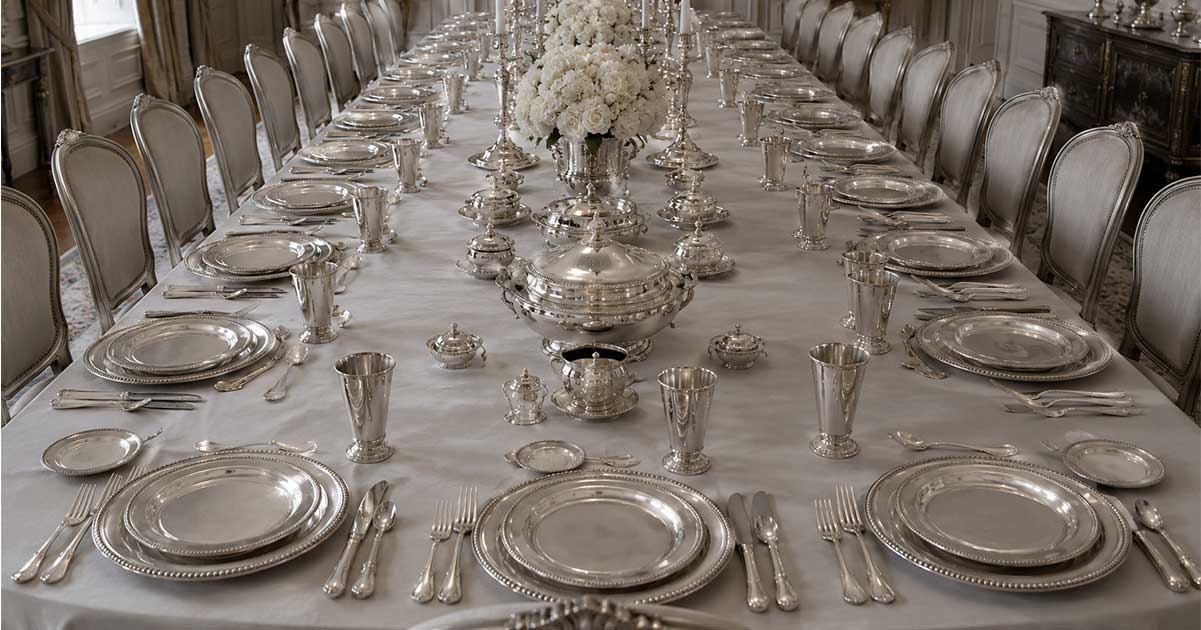
Silver serving pieces include larger table and household items used for dining, entertaining, or display. Common examples include trays, platters, bowls, tea pots, coffee pots, creamers, sugar bowls, gravy boats, ladles, serving spoons, tongs, candlesticks, goblets, pitchers, and decorative table pieces.
Some are sterling silver, commonly marked “sterling,” “925,” or “.925.” Others may be marked 900, 800, 825, 830, or 850, indicating different silver standards. Silver-plated pieces may be marked EP, EPNS, silver plate, electroplate, or silver on copper. These marks are important because two nearly identical trays can have very different values depending on their silver content.
Why People Sell Silver Serving Pieces
Many people sell silver serving pieces because they no longer use them. Formal entertaining has changed, and large silver trays, tea sets, and serving bowls often spend decades in cabinets or storage boxes. They may require polishing, careful handling, and wasted storage space.
Selling may also make sense during downsizing, estate settlement, inheritance planning, or household cleanouts. A piece may be monogrammed, dented, tarnished, incomplete, or mismatched. Those details may limit collector demand, but sterling silver pieces can still retain value because of their metal content.
How Silver Serving Pieces Are Valued
Silver serving pieces are generally evaluated by purity, weight, current silver prices, condition, and sometimes maker or collectible appeal.
Purity refers to how much actual silver the item contains. Sterling silver is 92.5% silver. Other marks may indicate lower silver content. Silver plate usually contains only a thin layer of silver over a base metal.
Weight matters, but it can be misleading. A solid sterling bowl is more straightforward to value than a weighted candlestick or a handled serving piece with filler inside. Knives, candlesticks, and some hollowware may include steel, resin, cement, or other non-silver materials. That means the total weight is not always the silver weight.
Condition matters differently depending on the buyer. A precious metals buyer may still value tarnished, scratched, or dented sterling items. A collector or antique dealer may care more about condition, maker, pattern, age, and originality.
Selling to a Precious Metals Buyer
A precious metals buyer may be the right choice when your serving pieces are sterling silver or another solid silver alloy. This option often works well for pieces that are damaged, monogrammed, incomplete, or unlikely to command a collector premium.
The buyer will usually test the metal, confirm purity, weigh the silver, account for non-silver components, and make an offer based on recoverable silver content. This can be a practical route when you want a clear valuation process and do not want to visit multiple shops or wait for a private buyer.
Selling Through Antique Dealers or Consignment Shops
Antique dealers and consignment shops may be better options when a serving piece has decorative, historical, or collectible appeal. A desirable maker, ornate design, complete tea service, unusual form, or strong condition can sometimes attract buyers who value the object itself rather than only the metal.
The advantage is the possibility of receiving more than melt value. The trade-off is time. A dealer needs room for resale margin, and consignment may require waiting until the item sells.
Selling at Auction or Estate Sale
Auctions and estate sales can work well for silver serving pieces, especially when selling multiple household items at once. These venues may attract collectors, decorators, dealers, and resellers. They can be useful for estate liquidations, large sets, unusual antiques, or pieces with visual appeal.
The drawback is unpredictability. Bidding depends on the audience, timing, condition, and demand, and fees should be considered as well.
Selling Online
Online marketplaces can be useful for silver serving pieces, especially silver-plated items, vintage décor, and recognizable patterns. Buyers may be looking for a specific tray, gravy boat, or serving utensil to complete a set or decorate a space.
Online selling requires more work. You need clear photos, measurements, condition notes, accurate markings, careful packing, shipping costs, and shipping insurance.
Why Sell to APMEX?
APMEX can be a strong option when your silver serving pieces are sterling silver or contain meaningful precious metal value. We accept qualifying old gold and silver items, including sterling silverware and pure or sterling silver décor. Sellers can request a free appraisal kit and use a prepaid shipping label insured up to $5,000. After we receive the items, our team appraises them and sends an offer. If the offer is accepted, payment is issued within one business day. If the seller declines, the items can be returned. For sellers who want a step-by-step process, APMEX offers a practical alternative to visiting multiple local buyers.
How to Prepare Silver Serving Pieces for Sale
Start by checking for marks. Look underneath trays and bowls, near rims, around bases, inside lids, on handles, and on the backs of serving utensils. Sort sterling and other silver-alloy pieces separately from silver plate.
Avoid aggressive polishing, especially with antique or collectible items. Light cleaning may reveal marks, but heavy polishing can reduce detail or harm appeal. Take photos, record visible markings, note condition, and make a basic inventory before selling or shipping.
Key Takeaways
The most effective selling venue depends on a piece’s composition and how it will be valued. Sterling and solid-silver pieces may be best suited for precious metals buyers. Decorative, antique, or plated pieces may perform better with antique dealers, consignment shops, auctions, estate sales, or online marketplaces.
Before selling, identify the marks, separate sterling from plated pieces, account for weighted or filled items, and decide whether speed, convenience, collector value, or metal value matters most.