
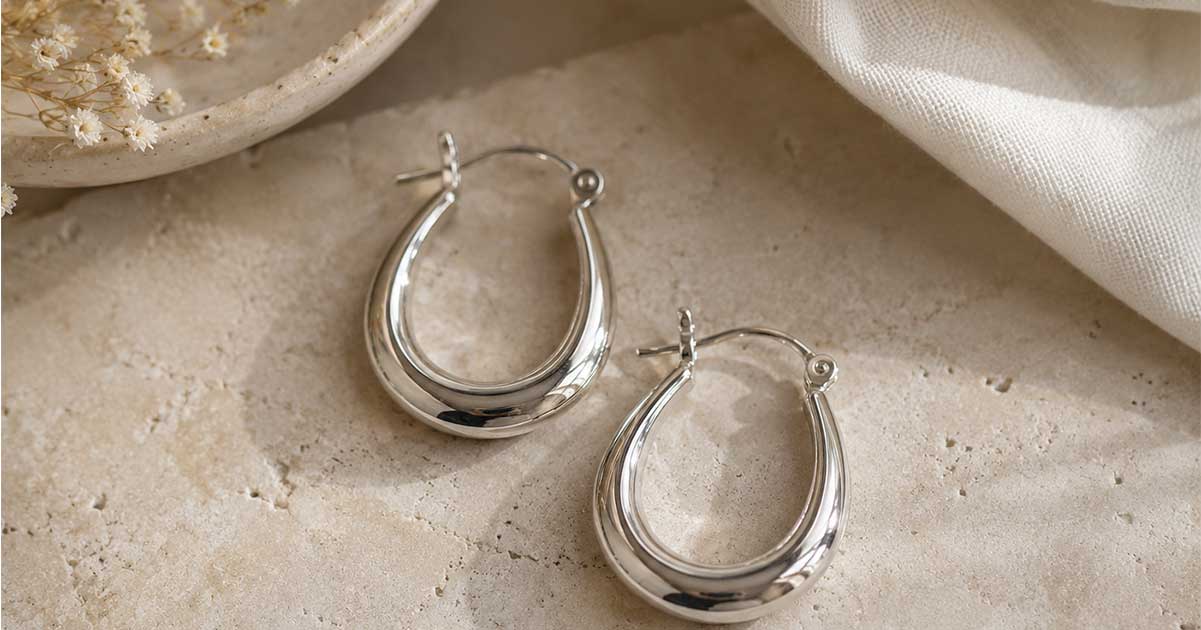
Silver earrings are easy to underestimate. They are small, often lightweight, and frequently tucked into jewelry boxes long after they stop being worn. A pair may be missing a back, bent at the post, tarnished from storage, separated from its mate, or simply out of step with your style. Yet if the earrings are sterling silver or another silver-bearing alloy, they may still have value.
If you want to sell silver earrings, the key is to look beyond appearance. The value may come from the silver content, the maker, the design, the stones, or the fact that the earrings are still desirable as wearable jewelry. The most appropriate selling path depends on which of those factors matters most.
Why People Sell Silver Earrings
People sell earrings for reasons that are often more practical than dramatic. One earring may be lost. A post may be bent. A clasp may no longer hold. The style may feel dated, or the owner may no longer wear silver-toned jewelry. Earrings are also common estate and inheritance items because they accumulate over decades and are rarely sorted carefully.
Selling can also be useful because earrings often come in groups. A single pair may not weigh much, but several pairs, single earrings, hoops, studs, drops, and dangles can create a sizable lot. Broken or mismatched pieces may still be worth appraising if they contain real silver.
What Makes Silver Earrings Valuable?
Silver earrings can be valued in two different ways: as precious metal or as finished jewelry.
For precious metal value, buyers focus on purity and weight. A heavier pair of sterling hoops will usually contain more silver than tiny studs. However, stones, enamel, pearls, resin, glass, steel posts, and other materials may be excluded from the metal value.
For jewelry resale value, other details matter. Designer names, signed pieces, vintage styling, Native American silverwork, handmade craftsmanship, desirable gemstones, and excellent condition can all affect demand. In those cases, the earrings may be worth more intact than they would be as metal.
This is why a quick sort matters. A bent sterling stud and a signed vintage turquoise earring should not automatically be treated the same way.
Start With the Hallmarks
Earrings are small, so their markings can be easy to miss. Check the post, back, clasp, hook, hinge, or inside surface. Sterling silver is commonly marked “925,” “.925,” or “sterling,” meaning the piece is 92.5% silver. Other marks, such as 900, 800, 825, 830, or 850, may indicate different silver standards.
Silver-plated earrings are different. They may have only a thin silver layer over base metal, which usually gives them little precious metal value. Unmarked earrings may still be silver, but they usually need professional testing before a buyer can value them confidently.
What About Single Earrings?
Single earrings are one of the strongest reasons to consider selling silver by metal content. A lone earring may be difficult to sell as wearable jewelry, but if it is sterling silver, it still contains silver. This is also true for broken hoops, missing backs, damaged hooks, and incomplete pairs.
Single earrings with exceptional design, maker marks, or valuable stones may still have collector or repair value. But for ordinary sterling pieces, a precious metals buyer may be the most practical route.
Should You Remove Stones First?
If the earrings have stones, decide whether you want to keep them before selling. Some buyers evaluate only the gold or silver content and do not pay for gemstones, glass, pearls, or decorative materials. In some appraisal processes, stones may be removed and may not be returned.
This matters most for sentimental stones, diamonds, turquoise, opals, pearls, or any component you would regret losing. When in doubt, have the stones removed or evaluated separately before sending the earrings for a metal-content appraisal.
Where to Sell Silver Earrings
A precious metals buyer can be a good fit for sterling earrings, single earrings, broken pieces, mixed jewelry lots, and items valued mainly for silver content. This route is often simple because the buyer is focused on purity and recoverable metal weight.
A local jeweler may be better if the earrings are designer, gemstone-set, antique, or suitable for resale. Some jewelers buy outright, while others may recommend repair, consignment, or a specialized buyer.
Online marketplaces can work for earrings with strong visual appeal, recognizable brands, vintage demand, or unique style. This path may bring a higher price for the right pair, but it requires photography, descriptions, buyer communication, and shipping.
Pawn shops may offer fast payment, but offers vary. They can be convenient, though they are not always the optimal route for pieces with collectible or designer value.
Vintage dealers may be interested in signed, period-specific, or unusual silver earrings, especially if they fit a known style or collector niche.
Why Sell to APMEX?
APMEX offers a structured way to sell old gold and silver, including silver jewelry such as earrings, necklaces, rings, bracelets, and more. Sellers can request a free appraisal kit and use a prepaid shipping label insured up to $5,000. After we receive the items, our team appraises them and sends an offer. If the offer is accepted, payment is issued within one business day. If the offer is declined, the items can be returned. For someone looking to sell silver earrings as part of a jewelry lot, we provide a clear appraisal process without requiring visits to multiple local buyers.
How to Prepare Earrings Before Selling
Pair matching earrings together and place singles in a separate group. Keep backs, clasps, and loose parts with the correct pieces when possible. Photograph each pair or lot, including hallmarks, stones, and visible damage.
Do not aggressively polish earrings before selling. Light cleaning is fine, but heavy polishing can damage delicate details or plated surfaces. If a hallmark is hard to read, gently clean only that small area.
Make a note of anything important: designer marks, family history, suspected stones, missing backs, bent posts, or repairs. If you are sending a mixed lot, separate sterling-marked items from costume jewelry and plated pieces.
Key Takeaways
Silver earrings can be worth selling even when they are broken, tarnished, mismatched, or no longer wearable. Their value may come from silver content, resale appeal, stones, maker, age, or design. The right buyer depends on which source of value is strongest.
Before selling, inspect the marks, separate singles from pairs, decide whether to remove stones, and choose the selling route that fits the earrings. Ordinary sterling pieces may be best evaluated for metal content, while signed, antique, or gemstone-set earrings may deserve a jewelry-focused buyer.