
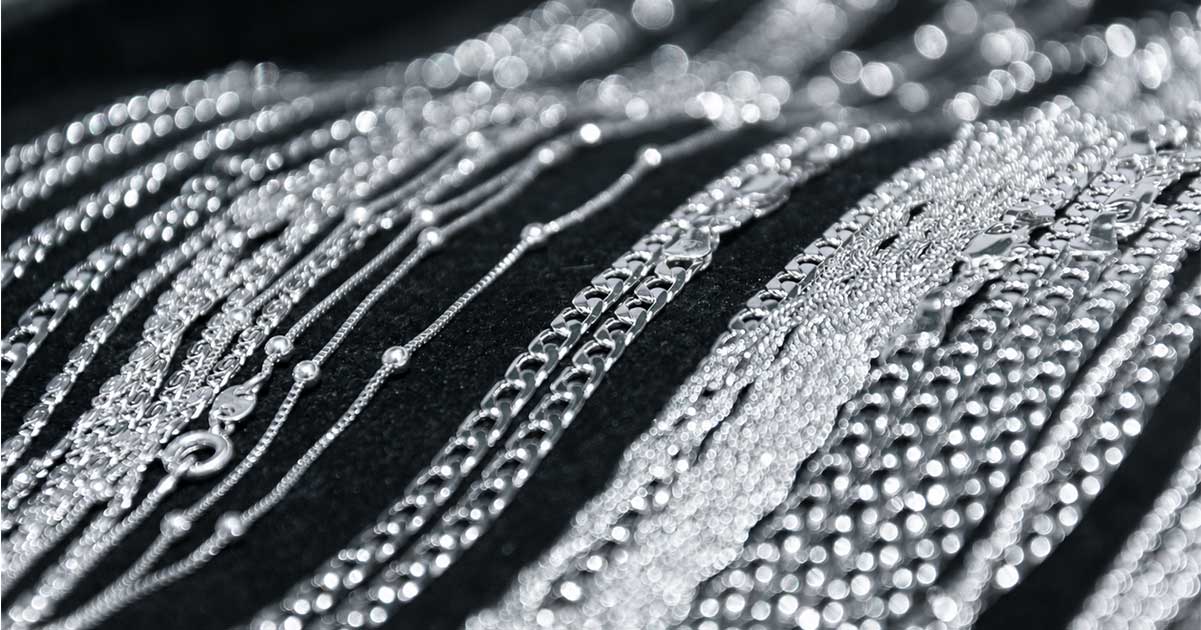
A silver necklace can be easy to keep and easy to forget. It may sit tangled in a jewelry box, tucked inside a pouch, or left unworn because the clasp is broken, the chain is out of style, or the piece no longer carries the same meaning it once did. Even so, a real silver necklace may still have value.
If you thought about selling your silver necklace, but you don’t know where to start, it begins with identifying what the necklace is made of, how it may be valued, and which buyer is the best fit.
What Counts as a Silver Necklace?
This might seem like a simple or even silly question, but there’s more variety in silver jewelry than you’d expect. Most silver necklaces are made from sterling silver, silver plate, or another silver alloy. Sterling silver is the most common jewelry standard and is usually marked “925,” “.925,” or “sterling.” That means the piece is 92.5% silver, with other metals added for durability.
Other silver marks may include 900, 800, 825, 830, or 850. These indicate different levels of silver purity. Silver-plated necklaces are different. They have a thin layer of silver over a base metal and usually contain far less precious metal value than sterling silver.
On necklaces and chains, hallmarks are often found near or on the clasp, on a small tag, or on a pendant bail. Checking these marks is one of the simplest ways to begin understanding whether your necklace has meaningful silver content.
Why People Sell Silver Necklaces
There are plenty of reasons someone might want to sell their silver necklaces. Some pieces are broken, tangled, missing clasps, or too worn to repair. Others no longer fit the owner’s style. A necklace may be tied to an old relationship, inherited from someone else, or simply forgotten after years of not being worn.
Selling can also be practical. Silver jewelry collections tend to accumulate over time. A single lightweight chain may not seem significant, but several chains, pendants, rings, bracelets, and earrings can add up. If the jewelry is not being worn, its value may be more useful as cash.
There is also the market value of silver to consider. Silver is a traded precious metal, and sterling silver necklaces have intrinsic value based on their metal content. When silver prices are favorable, selling unused jewelry can be a sensible way to turn dormant value into liquidity.
How Silver Necklaces Are Valued
A silver necklace is usually valued by purity, weight, current silver price, condition, and potential resale appeal.
Purity refers to how much actual silver is in the item. A sterling silver necklace contains 92.5% silver. A 900 mark indicates 90% silver. Continental silver marks such as 800, 825, 830, or 850 indicate lower silver percentages. Silver plate generally contains only minimal silver.
Weight matters because heavier chains and pendants contain more silver-bearing material. However, total weight may include stones, enamel, leather, resin, steel springs, or other non-silver components. A buyer focused on metal value may separate or discount those materials.
Condition matters depending on the type of buyer. If the necklace is valued mainly for its silver content, then tarnish, a broken clasp, or a damaged chain may not matter much. If the necklace has designer appeal, antique value, or a desirable style, condition can play a larger role.
A simple way to think about melt value is:
Silver weight × silver purity × current silver price = estimated silver value
That figure is not necessarily the final offer. Buyers may account for testing, refining, processing, market changes, and business costs.
Where to Sell a Silver Necklace
There are several places to sell a silver necklace, and the right choice depends on what kind of necklace you have.
A precious metals buyer may be a suitable option for sterling silver necklaces, broken chains, mixed silver jewelry lots, or pieces valued mainly for metal content. This route is typically straightforward because the buyer focuses on purity and weight.
A local jeweler may be useful if the necklace has gemstones, designer branding, antique appeal, or resale potential. Some jewelers buy directly, while others may offer consignment.
Pawn shops provide quick cash but offers vary. Because they must cover their own costs, quotes often favor the shop. Knowing your necklace’s silver content first helps you evaluate any offer.
Online marketplaces can work well for necklaces with style, brand recognition, vintage appeal, or collectible demand. This route may bring more than melt value, but it requires photography, descriptions, buyer communication, secure shipping, and patience.
Antique or vintage dealers may be appropriate for older necklaces, signed pieces, or distinctive designs.
Why Sell to APMEX?
APMEX offers a step-by-step way to sell old gold and silver, including silver jewelry such as necklaces, earrings, rings, bracelets, and more. Sellers can request a free appraisal kit and use a prepaid shipping label insured up to $5,000. Once we receive the items, our team appraises them and sends an offer. If the offer is accepted, payment is issued within one business day. If the offer is declined, the items can be returned. For someone who wants to sell their silver necklace without visiting multiple local buyers, we provide a practical process from appraisal to payment.
How to Prepare a Silver Necklace for Sale
Start by checking the clasp, tag, pendant bail, or chain end for marks such as 925, .925, sterling, 900, 800, 825, 830, or 850. Separate sterling silver from silver-plated or costume jewelry.
If the necklace has a pendant, gemstone, charm, or other attachment you want to keep, remove it before submitting the item for precious metals appraisal. Some buyers pay only for gold or silver content, and stones or decorative materials may not be included in the offer.
Take clear photos, note visible markings, and weigh the necklace if you have a small scale. Do not aggressively polish vintage pieces. Tarnish does not prevent testing, and over-cleaning may reduce detail or collector appeal.
Key Takeaways
A silver necklace can be worth selling when it is broken, outdated, inherited, unworn, tangled, or no longer meaningful. Its value usually depends on silver purity, weight, market price, condition, and whether the piece has resale appeal beyond metal content.
Before selling, check the hallmarks, separate sterling from plated jewelry, remove any stones or charms you want to keep, and choose a buyer based on your priorities. If speed and metal value matter most, a precious metals buyer may be the right route. If the necklace has designer or antique appeal, a jeweler, collector, or online marketplace may be worth considering.