
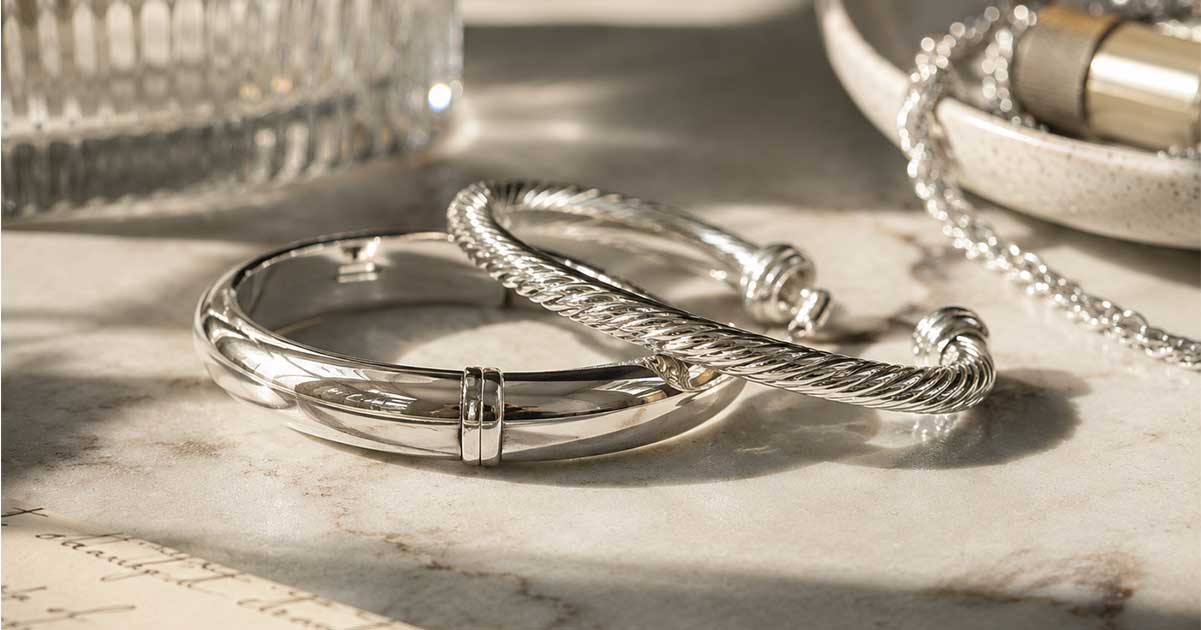
A silver bracelet can be one of the easiest pieces of jewelry to keep and one of the easiest to stop wearing. It may be too small, too loose, too heavy, too delicate, broken at the clasp, missing a charm, or simply no longer your style. Some bracelets are gifts, some are inherited, and some are old purchases that have spent years in a drawer.
If you are asking where you can sell a silver bracelet, the right answer depends on what kind of bracelet you have. A sterling silver cuff, charm bracelet, bangle, tennis-style bracelet, chain bracelet, or designer piece may be valued in different ways. Some bracelets are worth selling for their silver content. Others may be worth more as finished jewelry.
Start With the Type of Bracelet
Bracelets come in many forms, and the design can affect both value and selling route. A heavy sterling cuff may contain more silver than a delicate chain bracelet. A charm bracelet may include multiple metals, stones, enamel, or sentimental charms. A bangle may be hollow, solid, plated, or weighted. A signed designer bracelet may attract jewelry buyers who care about more than metal weight.
Before selling, identify the bracelet as precisely as possible. Is it sterling silver, silver plate, costume jewelry, or another silver alloy? Is it wearable, damaged, vintage, signed, handmade, or set with stones? Those details help determine whether it belongs with a precious metals buyer, jeweler, collector, online buyer, or vintage dealer.
Check the Markings
Bracelets often have marks on the clasp, inside the band, on a small tag, or near a hinge. Look for “925,” “.925,” or “sterling.” These marks usually indicate sterling silver, which is 92.5% silver. Other marks such as 900, 800, 825, 830, or 850 may indicate different silver standards.
Silver-plated bracelets are different. They may show marks such as EP, EPNS, electroplate, or silver plate. These pieces often have much lower precious metal value because the silver is only a thin surface layer.
If the bracelet has no visible mark, it may still be silver, but it may need testing. A professional buyer can help determine whether the piece is sterling, plated, or base metal.
Why Sell a Silver Bracelet?
People sell silver bracelets for practical and personal reasons. A clasp may be unreliable. A hinge may be loose. A chain may be stretched, kinked, or broken. A bracelet may no longer fit, or it may carry memories the owner does not want to revisit.
Bracelets are also easy to accumulate. A few bangles, an old cuff, a broken chain bracelet, and a charm bracelet can sit unused for years. Selling can turn that unused value into cash without keeping jewelry that no longer has a role in your life.
For sterling silver bracelets, the metal content can still matter even when the bracelet is damaged. A broken chain or bent cuff may not be desirable as jewelry, but the silver may still be valuable.
What Determines the Value?
A silver bracelet’s value may come from several places.
Metal content is the most direct. Buyers look at purity, weight, and the current silver market. A heavier sterling bracelet generally has greater metal value than a lightweight one, though stones and non-silver materials may not count toward the metal value.
Wearability can also matter. A clean, intact bracelet with a secure clasp may be easier to resell as jewelry than one needing repair. Style matters, too. Vintage cuffs, artisan pieces, Native American silverwork, designer signatures, and distinctive handmade bracelets may attract buyers who value the finished piece.
Charms complicate the picture. Some charms may be sterling; others may be plated, enamel, gold-filled, or base metal. If a charm has sentimental value, remove it before selling. If a charm has collectible value, it may be worth evaluating separately.
Where to Sell a Silver Bracelet
A precious metals buyer can be a good choice for sterling silver bracelets, broken bracelets, heavy cuffs, mixed silver jewelry lots, or pieces valued mainly for metal content.
A jeweler may be better if the bracelet has gemstones, designer branding, or strong resale appeal. Some jewelers buy outright, while others may recommend repair, consignment, or a specialized resale channel.
Online marketplaces can work well for bracelets with visual appeal, maker marks, vintage style, or collectible interest. This route may require more effort, including photos, measurements, descriptions, buyer messages, and shipping.
Pawn shops may offer fast payment, but pricing can vary. They are convenient, though not always ideal for pieces with designer or collector value.
Antique and vintage dealers may be useful for older cuffs, signed silver, ornate bangles, or bracelets with period-specific appeal.
Why Sell to APMEX?
APMEX offers a structured way to sell old gold and silver, including silver jewelry such as necklaces, earrings, rings, bracelets, and more. Sellers can request a free appraisal kit, ship items with a prepaid label insured up to $5,000, and receive an offer after appraisal. If the offer is accepted, payment is issued within one business day. If the offer is declined, items can be returned. For someone asking “where can I sell my silver bracelet?” we can be a suitable option when the bracelet contains significant precious metal value and the seller wants a clear appraisal process.
How to Prepare Before Selling
Inspect the bracelet carefully before sending it anywhere. Photograph the full piece, the clasp, the inside of the band, hallmarks, stones, charms, damage, and any maker marks. Measure the length or inner circumference, and note whether the bracelet is solid, hollow, hinged, flexible, or adjustable.
Remove anything you want to keep. This includes sentimental charms, gemstones, detachable pendants, or non-silver additions. Some precious metals buyers pay only for metal content, and stones or decorative materials may not be included in the offer.
Do not over-polish the bracelet. Light cleaning may help reveal a mark, but heavy polishing can soften detail, damage patina, or harm plated surfaces. If the bracelet is vintage or collectible, preserving condition may be more important than making it shine.
Key Takeaways
A silver bracelet can be worth selling when it is broken, unworn, inherited, outdated, too small, too large, or no longer meaningful. The best place to sell depends on whether its value comes from silver content, design, maker, stones, age, or resale demand.
Before selling, check the markings, identify the bracelet type, separate sterling from plated pieces, remove anything you want to keep, and choose a buyer based on the bracelet’s strongest source of value. A damaged sterling bracelet may be best evaluated for metal content. A signed or collectible piece may deserve a jewelry-focused buyer.