


Colonial Values
Early American money – such as colonial, post-colonial and continental coins – was a much more chaotic affair than the system we have in place today. Many coins from this time period are very rare and expensive.
Rhode Island Ship Medals – 1778 – 1779
Explore the medal’s purpose during the American Revolutionary War and learn about the four varieties that keep collectors debating where they truly circulated.
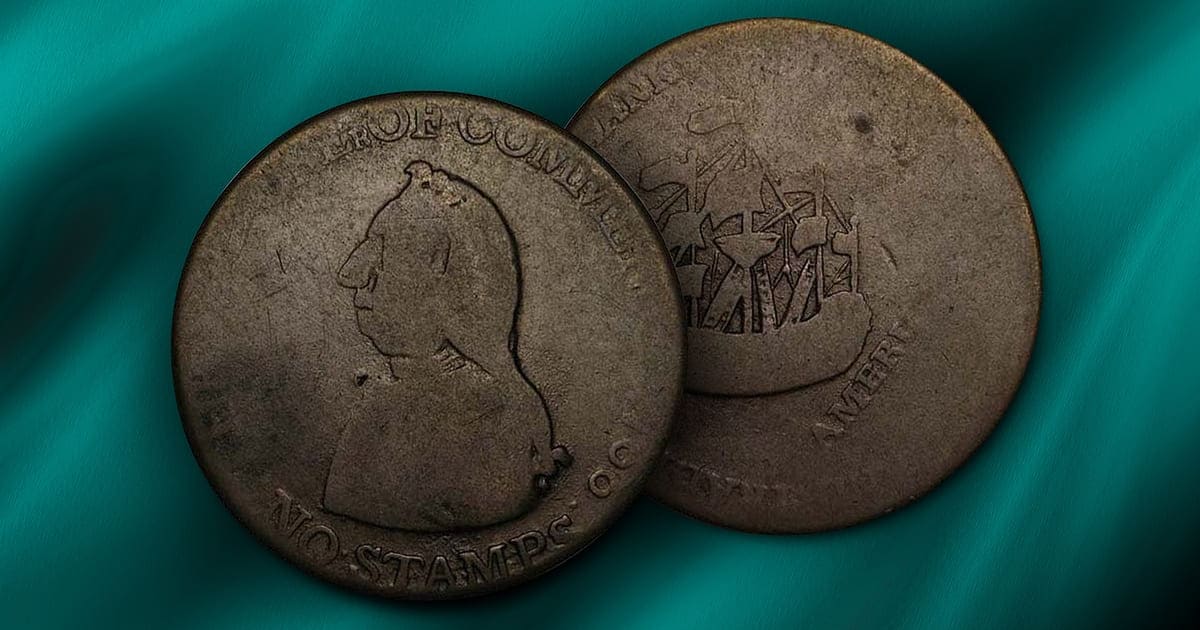
Pitt Tokens – 1766
Pitt Tokens were minted to honor the British statesman, William Pitt, who helped repeal the Stamp Tax in the American colonies. Learn about the different

Nova Eborac – 1787
The 1787 Nova Eborac coppers were made to resemble familiar halfpennies. Explore the four major designs and how subtle portrait and Liberty differences define one
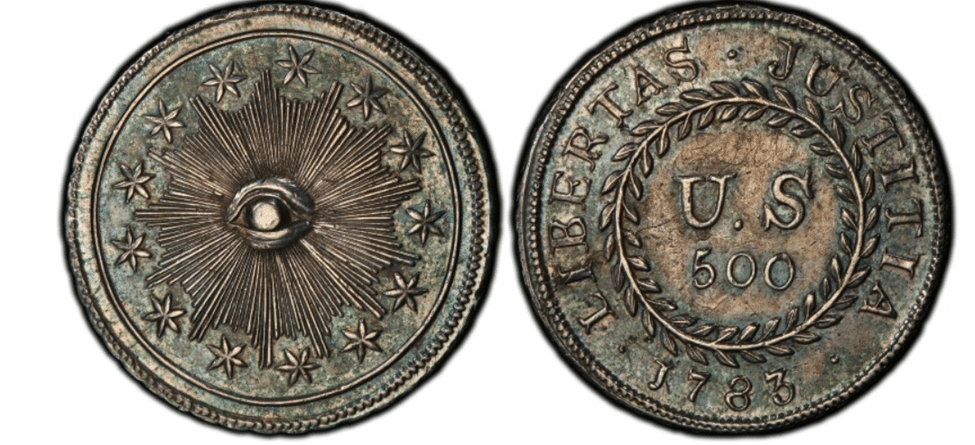
Nova Constellatio Pattern Coins – 1783
Robert Morris’s 1783 plan for a new national currency led to the experimental Nova Constellatio patterns, an ambitious idea that never won Congress’s support. Learn
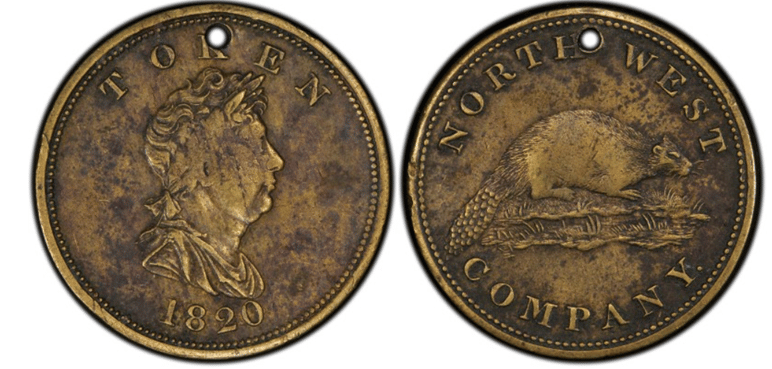
North West Company Tokens – 1820
The 1820 North West Company tokens were created for the booming fur trade and used as redeemable rewards for beaver pelts across a vast frontier.
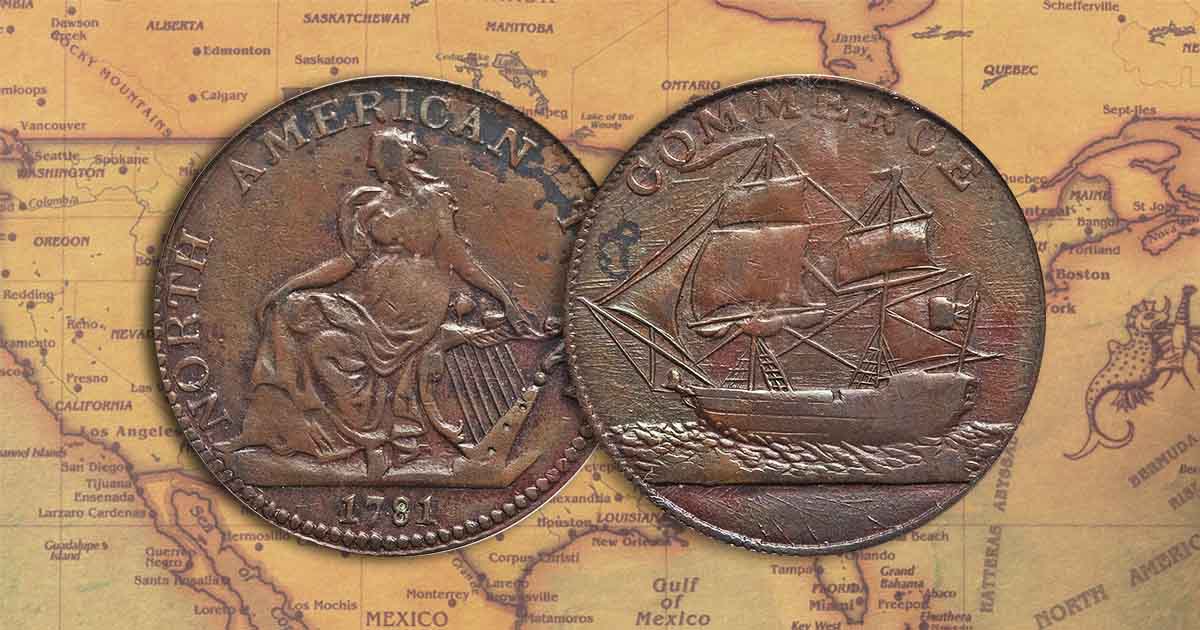
North American Token – 1781
The 1781 North American Token remains a subject of debate among colonial numismatists. Some researchers propose it may have been struck after the date shown,
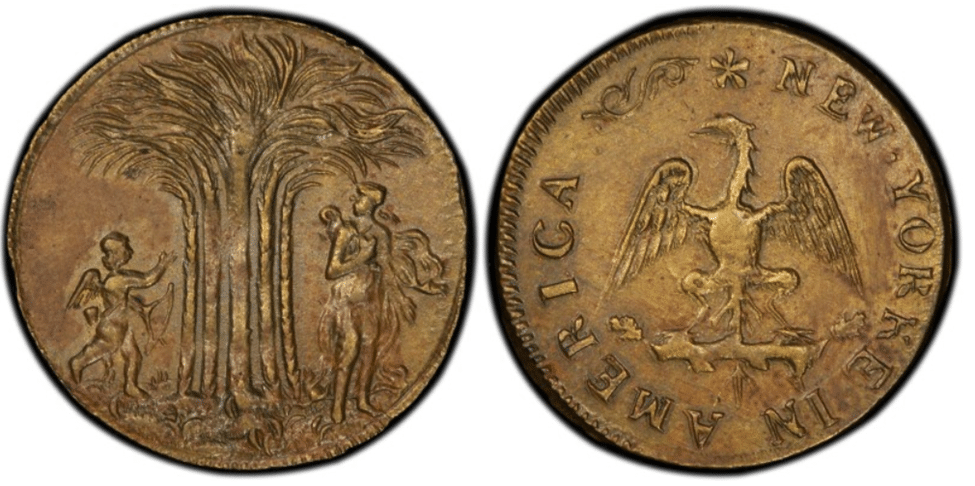
New Yorke in America Token
The “New Yorke in America” token is an undated farthing or halfpenny designed for the New York colony. Read more about the design’s mythical influence
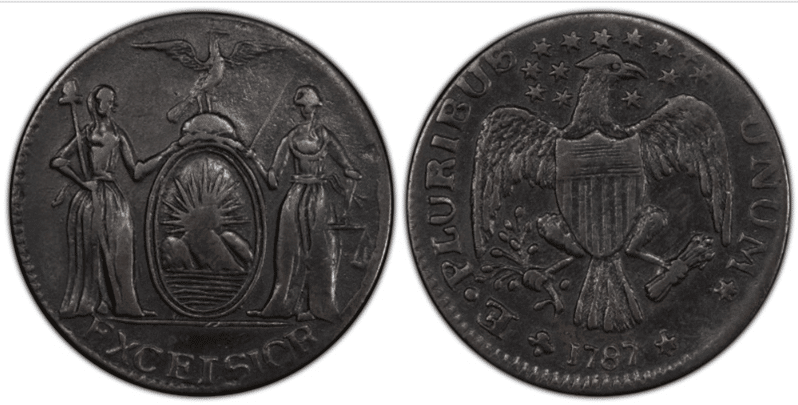
New York Copper Coinage – 1786 – 1787
New York’s 1786–1787 copper coins are among the most elusive colonial issues, spanning eight distinct types from Liberty-and-eagle designs to striking Indian and portrait pairings.
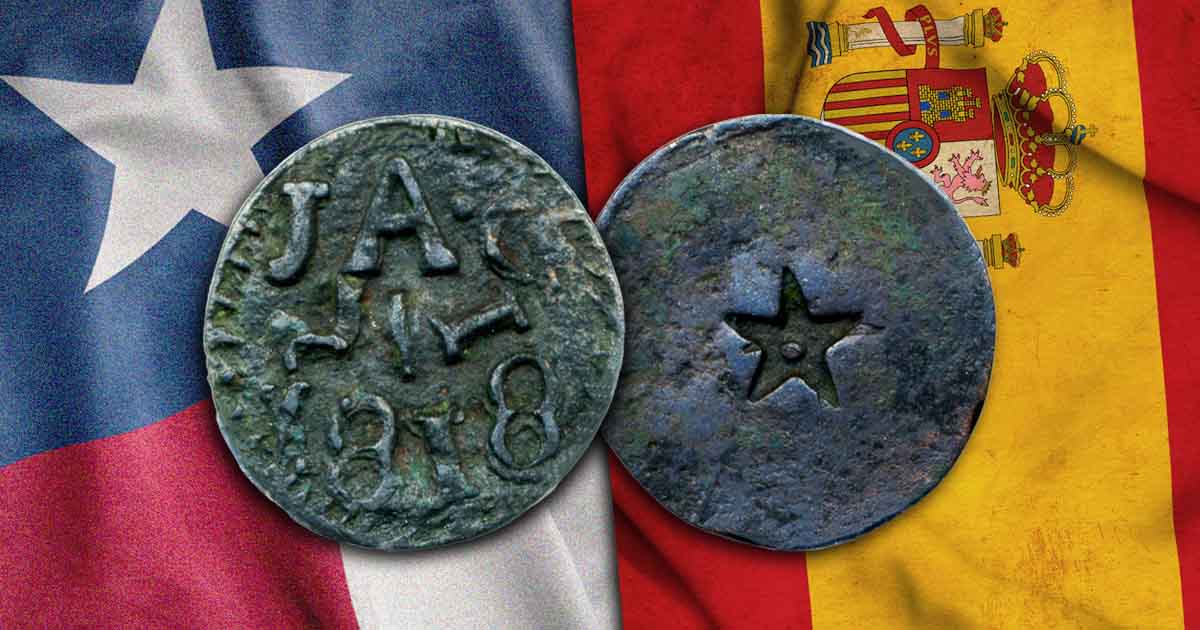
New Spain (Texas) Jola Tokens – 1817 – 1818
The 1817 and 1818 Jola tokens were issued under the Viceroyalty of New Spain in a frontier province that now corresponds to parts of present-day
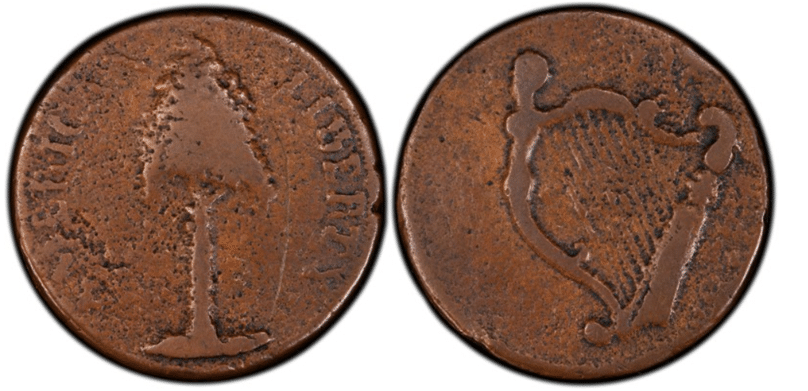
New Hampshire Coinage – 1776
New Hampshire moved to create its own copper coinage in 1776. Learn about the rushed legislative effort, the debate over genuine versus later fantasy pieces,
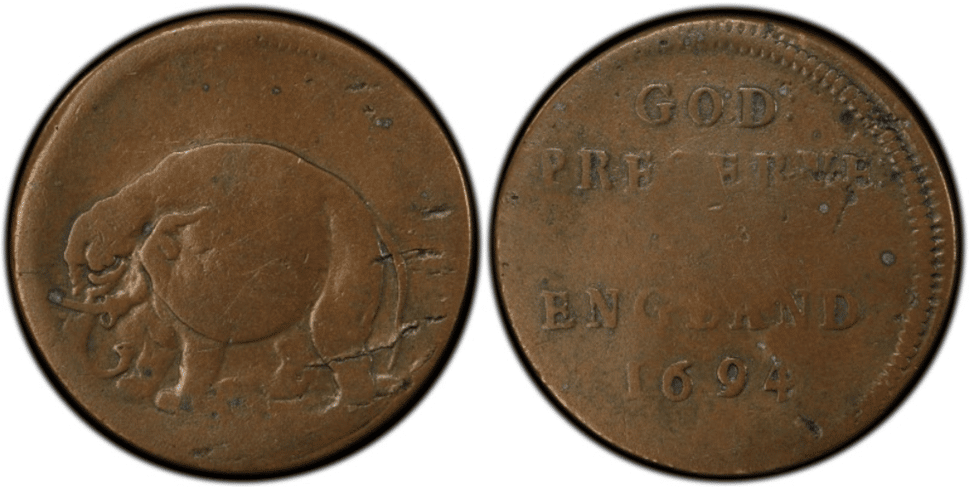
New England Elephant Token – 1694
The 1694 New England Elephant tokens rank among the rare, little-documented colonial issues. Only one variety is known, very few examples survive, and scholars still
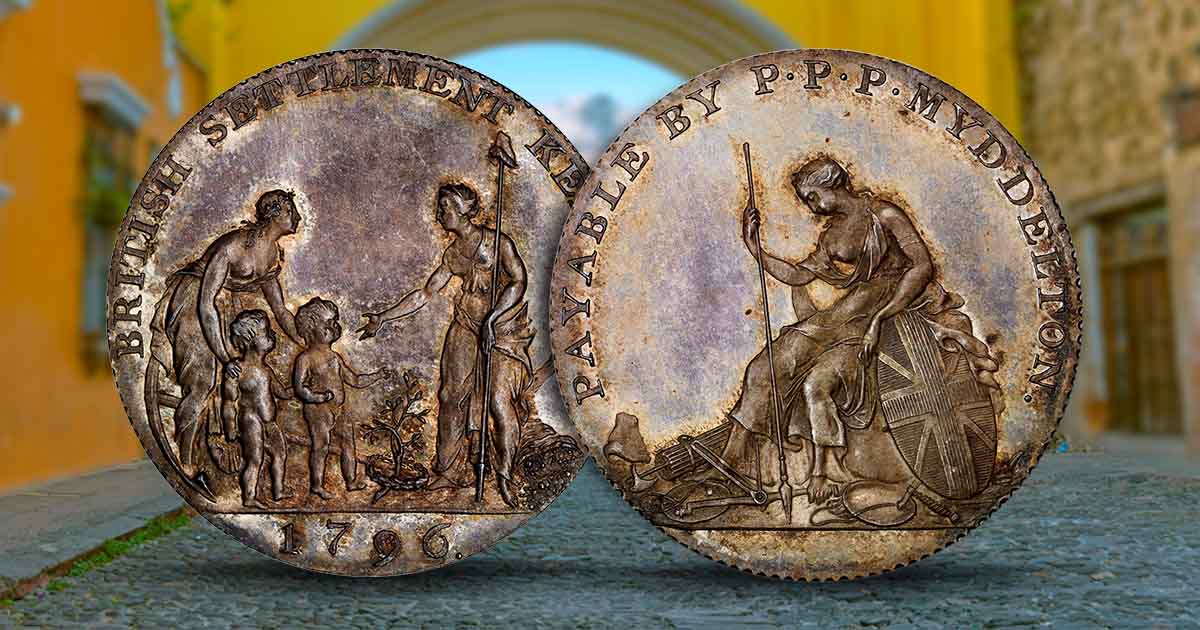
Myddleton Tokens – 1796
Philip Perry Price Myddleton’s attempt to supply coinage for a Kentucky farming community ends with his arrest. Learn about the design and abrupt end of
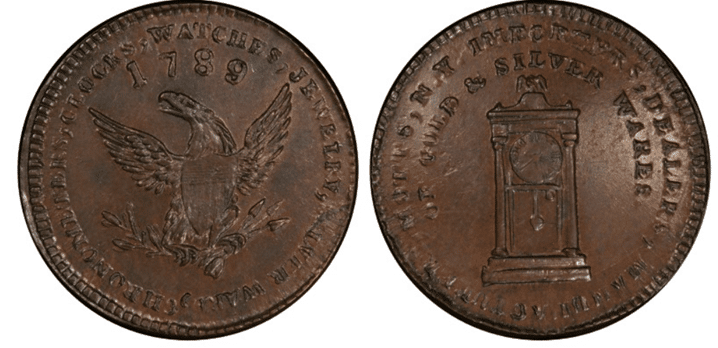
Mott Tokens – 1789
Dated 1789 but likely struck years later, Mott Tokens were New York storecards that have long stirred debate about their true place in colonial collections.
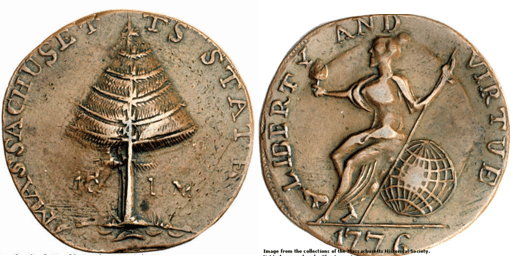
Massachusetts Unofficial Copper Coins of 1776
Three unofficial Massachusetts coppers remain as unique examples from the early years of statehood, reflecting a time when local coinage was still developing.
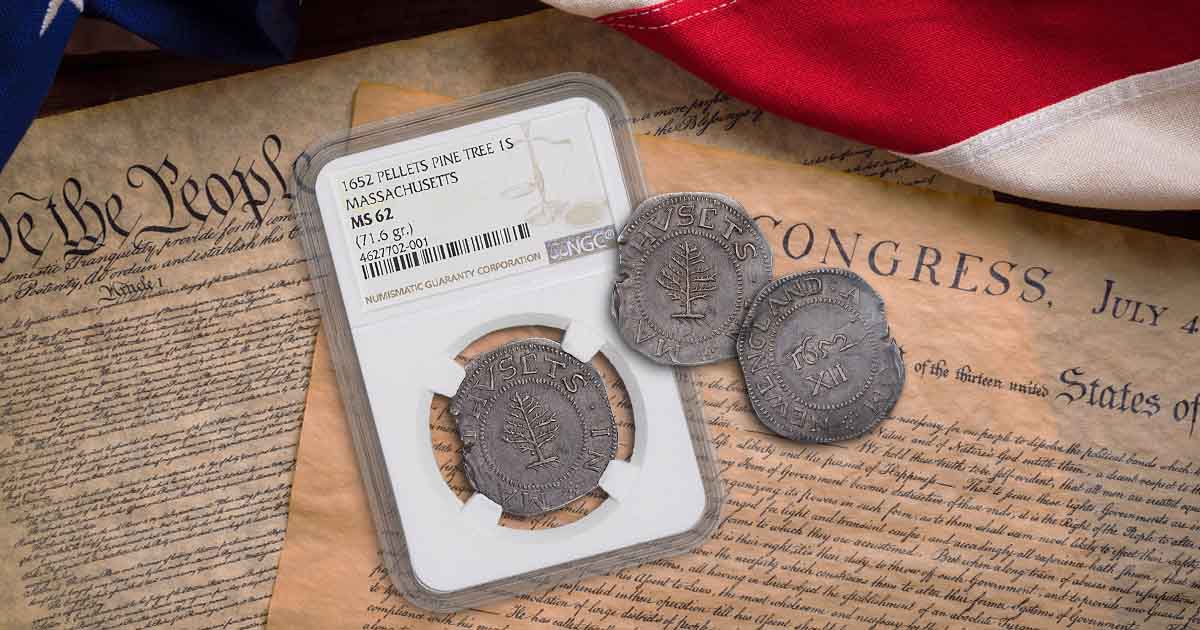
Massachusetts Silver Coinage of 1652
Massachusetts began striking its own silver coinage in 1652 to meet growing needs in the Bay Colony, producing four distinct series known by their tree
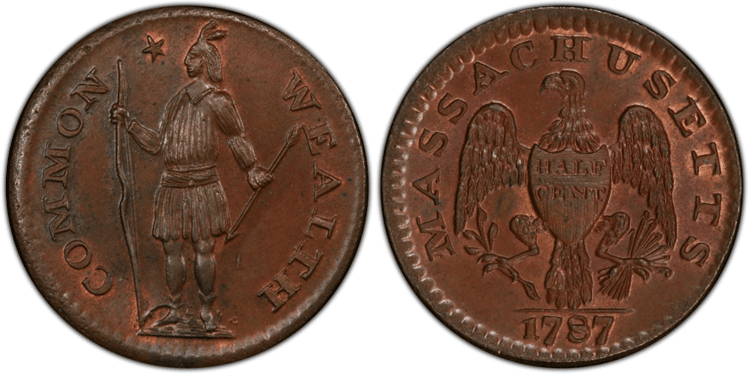
Massachusetts Authorized Cents and Half Cents, 1787 to 1788
Massachusetts launched its own mint in 1786, striking copper cents and half cents with their own designs. Discover how the 1787–1788 issues were designed, produced,
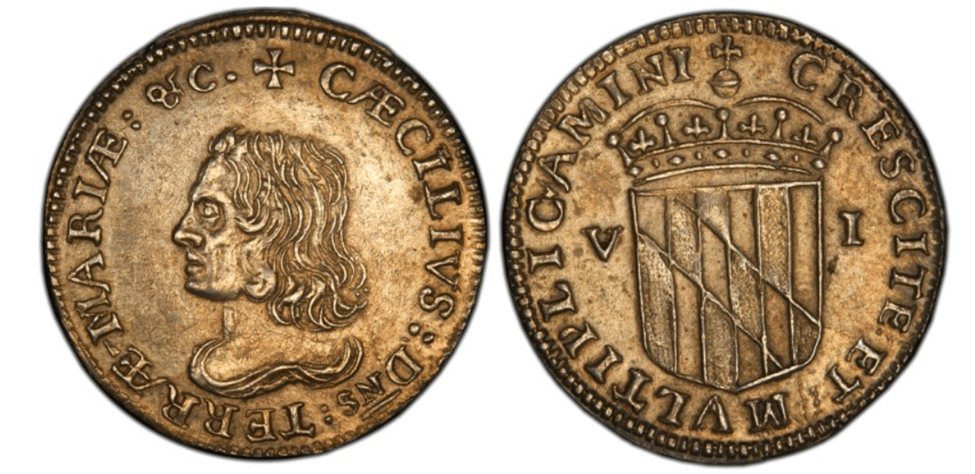
Maryland’s Lord Baltimore Coinage of 1659
Learn about Lord Baltimore's attempts to solve the shortage of change in the colonies with Maryland currency: the rare copper denarium pennies, pences, and shillings
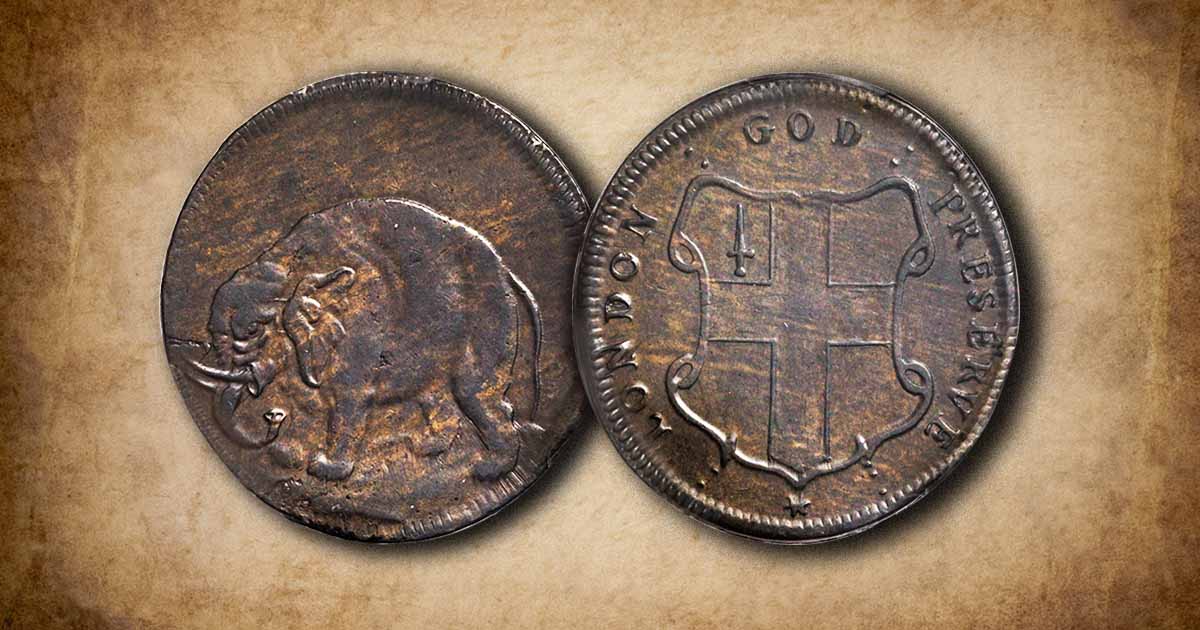
London Elephant Token – 1694
London Elephant Tokens are mysterious halfpenny issues from the late 1600s and possibly tied to a plague or fire in London. Learn how the London

Kentucky Token – 1792 – 1794
Kentucky Tokens were minted for only two years. Explore the five edge varieties and the ongoing debate over whether these tokens circulated in America or
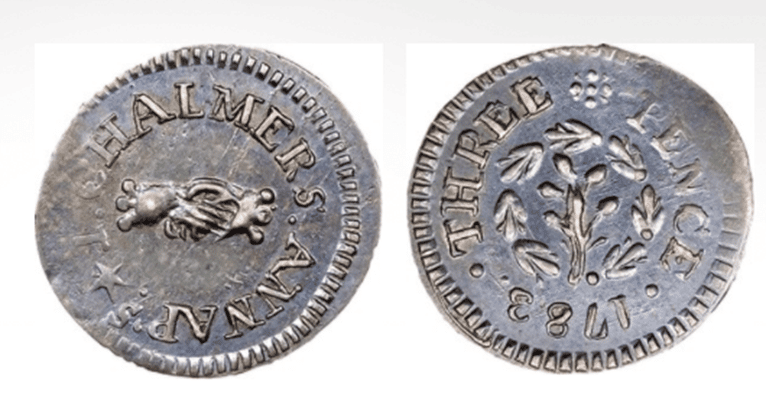
John Chalmers Issues – 1783
Facing a shortage of reliable small change in Annapolis, silversmith John Chalmers created his own silver Threepence, Sixpence, and Shilling coins in 1783. Learn more
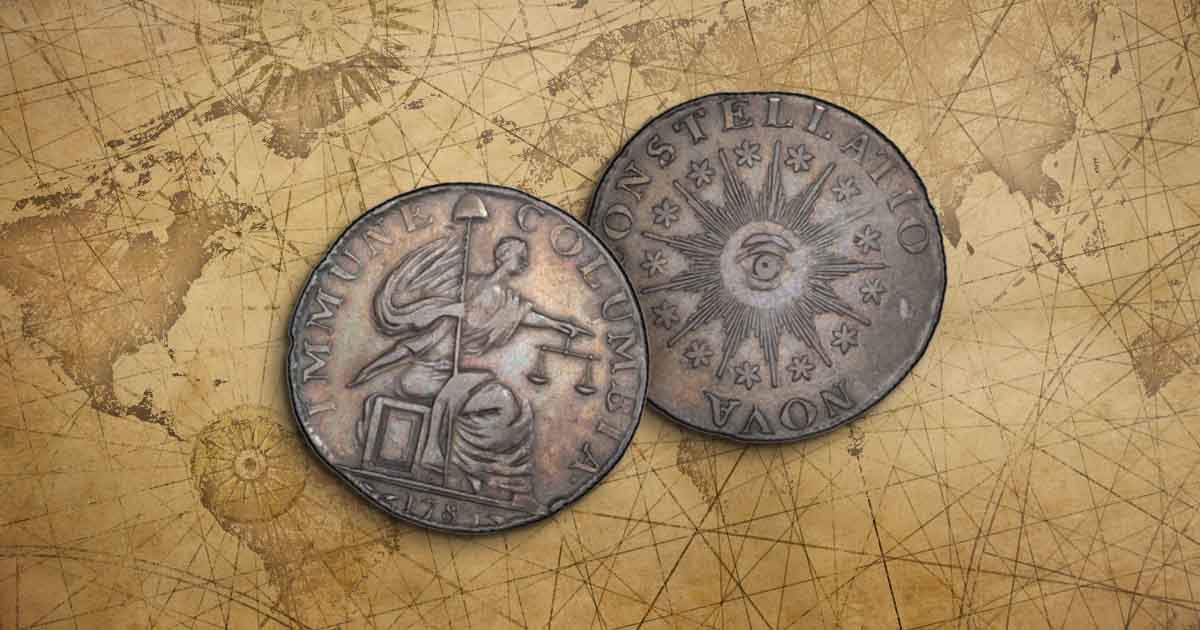
Immune Columbia Pieces – 1785
The 1785 Immune Columbia pieces are a puzzling group of unofficial copper coins tied to Vermont. Explore the five recognized varieties and the few surviving
Explore the medal’s purpose during the American Revolutionary War and learn about the four varieties that keep collectors debating where they truly circulated.
Pitt Tokens were minted to honor the British statesman, William Pitt, who helped repeal the Stamp Tax in the American colonies. Learn about the different
The 1787 Nova Eborac coppers were made to resemble familiar halfpennies. Explore the four major designs and how subtle portrait and Liberty differences define one
Robert Morris’s 1783 plan for a new national currency led to the experimental Nova Constellatio patterns, an ambitious idea that never won Congress’s support. Learn
The 1820 North West Company tokens were created for the booming fur trade and used as redeemable rewards for beaver pelts across a vast frontier.
The 1781 North American Token remains a subject of debate among colonial numismatists. Some researchers propose it may have been struck after the date shown,
The “New Yorke in America” token is an undated farthing or halfpenny designed for the New York colony. Read more about the design’s mythical influence
New York’s 1786–1787 copper coins are among the most elusive colonial issues, spanning eight distinct types from Liberty-and-eagle designs to striking Indian and portrait pairings.
The 1817 and 1818 Jola tokens were issued under the Viceroyalty of New Spain in a frontier province that now corresponds to parts of present-day
New Hampshire moved to create its own copper coinage in 1776. Learn about the rushed legislative effort, the debate over genuine versus later fantasy pieces,
The 1694 New England Elephant tokens rank among the rare, little-documented colonial issues. Only one variety is known, very few examples survive, and scholars still
Philip Perry Price Myddleton’s attempt to supply coinage for a Kentucky farming community ends with his arrest. Learn about the design and abrupt end of
Dated 1789 but likely struck years later, Mott Tokens were New York storecards that have long stirred debate about their true place in colonial collections.
Three unofficial Massachusetts coppers remain as unique examples from the early years of statehood, reflecting a time when local coinage was still developing.
Massachusetts began striking its own silver coinage in 1652 to meet growing needs in the Bay Colony, producing four distinct series known by their tree
Massachusetts launched its own mint in 1786, striking copper cents and half cents with their own designs. Discover how the 1787–1788 issues were designed, produced,
Learn about Lord Baltimore’s attempts to solve the shortage of change in the colonies with Maryland currency: the rare copper denarium pennies, pences, and shillings
London Elephant Tokens are mysterious halfpenny issues from the late 1600s and possibly tied to a plague or fire in London. Learn how the London
Kentucky Tokens were minted for only two years. Explore the five edge varieties and the ongoing debate over whether these tokens circulated in America or
Facing a shortage of reliable small change in Annapolis, silversmith John Chalmers created his own silver Threepence, Sixpence, and Shilling coins in 1783. Learn more
The 1785 Immune Columbia pieces are a puzzling group of unofficial copper coins tied to Vermont. Explore the five recognized varieties and the few surviving
Washington Grate Halfpenny – 1793
Thomas Wyon’s 1793 Washington Grate Halfpenny is often collected alongside American colonial issues. Produced in multiple varieties, this British trade token occupies a recognized place in early American numismatics.
French Billon Coinage – 1709 – 1760
Learn about how France’s recession in the 17th century led to the striking of billon coinage in the country.
1787 Auctori Plebis Tokens
The mysterious 1787 Auctori Plebis Token circulated in colonial America and remains an intriguing example of early U.S. coinage. Learn why this token is a noteworthy addition to any colonial-era collection.
Wood’s Hibernia Coinage (1722-1724)
Wood’s Hibernia halfpennies and farthings were a royal-patent copper coinage that circulated outside Ireland, entering everyday trade in several colonial American ports.
Washington Born Virginia – 1792
With multiple edge styles and several rare varieties, the “President / Born in Virginia” tokens remain a notable offshoot of the Washington series.
Washington Cents – 1792
Struck in a few different metals and surviving in very small numbers, these pieces capture a pivotal moment in the debate over what early U.S. coins should look like.
The 1791 Washington Cent
1791 Washington cents quickly drew attention in early America. Their story hinges on an ambitious proposal and a decisive reaction that reshaped what U.S. coinage would become.
1783 ‘Unity States’ Washington & Independence Token
The 1783 “Unity States” token is a later Birmingham-made issue that circulated in the United States into the 19th century.
1784 Washington the Great “Ugly Head” Token
Learn about the a long-fueled debate over whether this token was a sincere tribute made from limited skill or an intentional bit of satire aimed at George Washington.
Washington Success Medals
Struck in two sizes with several die varieties, their uncertain purpose and relatively few known examples sustain continued interest among early American token collectors.
Washington North Wales Halfpenny – 1795
The 1795 Washington North Wales halfpennies were produced in England by Birmingham token makers. They are known minting a small set of reverse and edge varieties and incorrectly spelling George Washington’s name on every coin.
Washington Liberty and Security Tokens – 1795
The Washington Liberty and Security tokens are collected today for their several distinct varieties. However, Washington’s stated opposition to portraits on circulating coinage prevented any prospect of official adoption.
Getz Pattern Washington Cent – 1792
The 1792 Washington-Getz patterns were commissioned under Robert Morris and modeled on earlier Washington cent designs. Learn about the five known pattern types and the political push behind them, even as Washington’s portrait sparked renewed debate.
Washington Double Head Cent – (Undated)
Undated Double Head Washington cent’s long circulation history makes them a small but fascinating footnote in early American coinage.
Virginia Halfpennies – 1773 – 1774
Learn how these royal coppers soon became part of the complex history of early American coinage.
Theatre at New York – 1797
The 1797 Theatre at New York token is a standout large-format issue traced to Birmingham, England. Learn about the theatre that inspired the design and the people behind the creation of this token.
Talbot, Allum, & Lee Cents – 1794 – 1795
Learn how these store tokens crossed paths with the early U.S. Mint and became a distinctive chapter of post-Revolutionary coinage.
Standish Barry 3 Pence – 1790
The 1790 Standish Barry 3 Pence is a Baltimore-made silver mystery, with only a small number struck and even fewer known today.
St. Patrick or Newby Coinage – (1646-1660)
Mark Newby brought copper coins to colonial New Jersey, where they later gained legal tender status by the General Assembly. Learn about the halfpenny and farthing varieties with their unique designs.
Silver Center Cent – 1792
The 1792 Silver Center Cent was a bold early experiment at the brand-new U.S. Mint, sparked by Thomas Paine’s idea to blend copper and silver into a practical cent.
Rosa Americana Coinage – 1722 – 1733
William Wood’s Rosa Americana coinage was an early effort to supply the American colonies with bath metal halfpennies, pennies, and twopence under a royal patent. These rose-themed issues saw limited acceptance, which influenced their brief production run.
More Guides for You

What is Bullion?
Gold, Silver, Platinum, and Palladium all come in various forms and sizes to create a variety of options for investors and collectors.

What is an Eagle?
Since the U.S. Mint’s American Eagle program began in 1986, Gold and Silver Eagles have remained a popular choice among both investors and collectors